

Drawing is not just play – it supports neural development
Many people assume that drawing is “just an activity” to keep a child occupied and calm. However, developmental psychology and neuroscientific research paint a much more nuanced picture: drawing activates complex neural processes, especially during the preschool years.

This article is part of the series “Attention & Child Development”.
ADHD (Attention Deficit / Hyperactivity Disorder) is one of the most frequently discussed topics when it comes to children, learning, and concentration.
But what actually happens in the brain? And what does science really say – beyond clichés and quick judgments?
This article is part of the series “Attention & Child Development”.
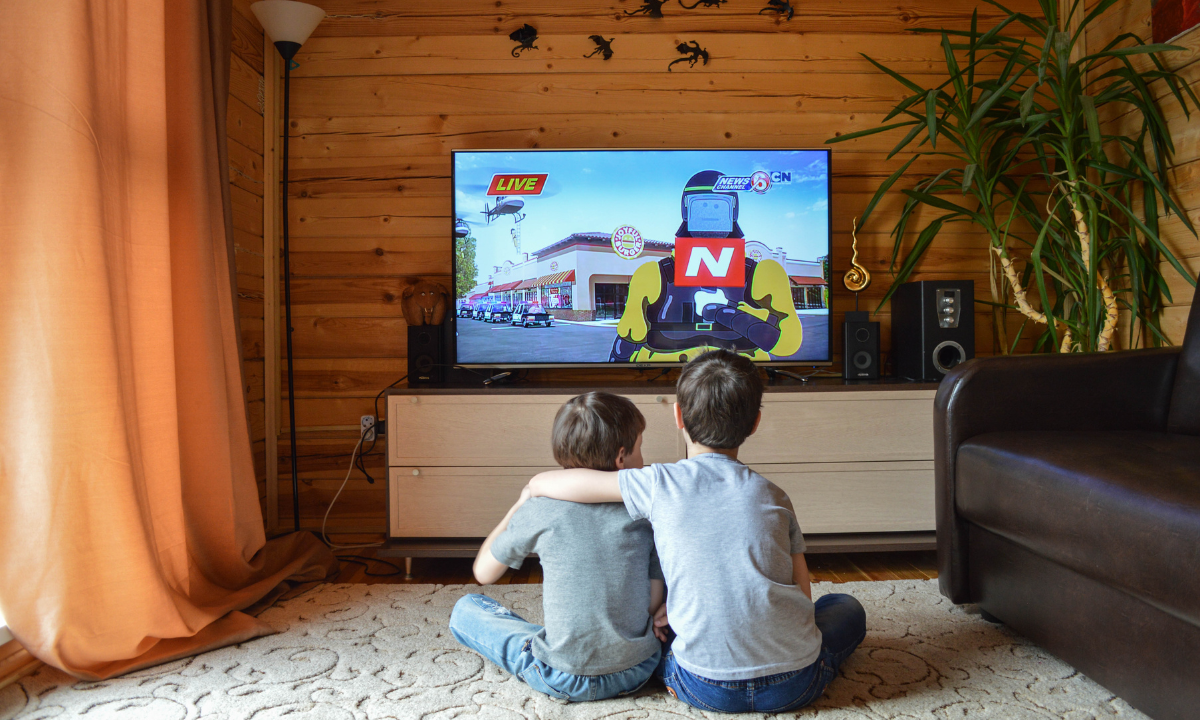
You may have noticed it yourself: children who spend a lot of time in front of screens often appear overstimulated more quickly, more restless, or have difficulty maintaining focus. This feeling is not misleading – numerous scientific studies are now addressing exactly this issue.
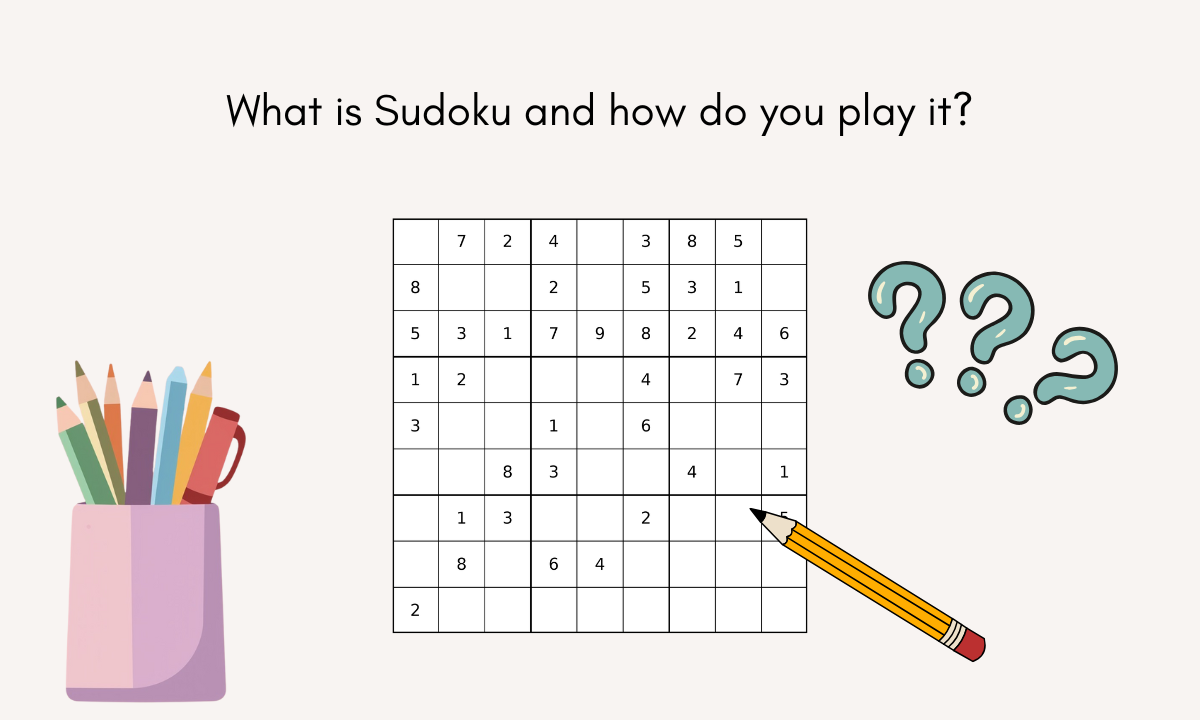
What is Sudoku?
If you would like to know how Sudoku works and why this logic puzzle is so popular worldwide, you are in the right place.

In our digital world, many parents notice that their children find it harder to concentrate, are more easily distracted, and become impatient more quickly. But supporting concentration does not have to be a dry exercise – it can be fun when approached playfully.
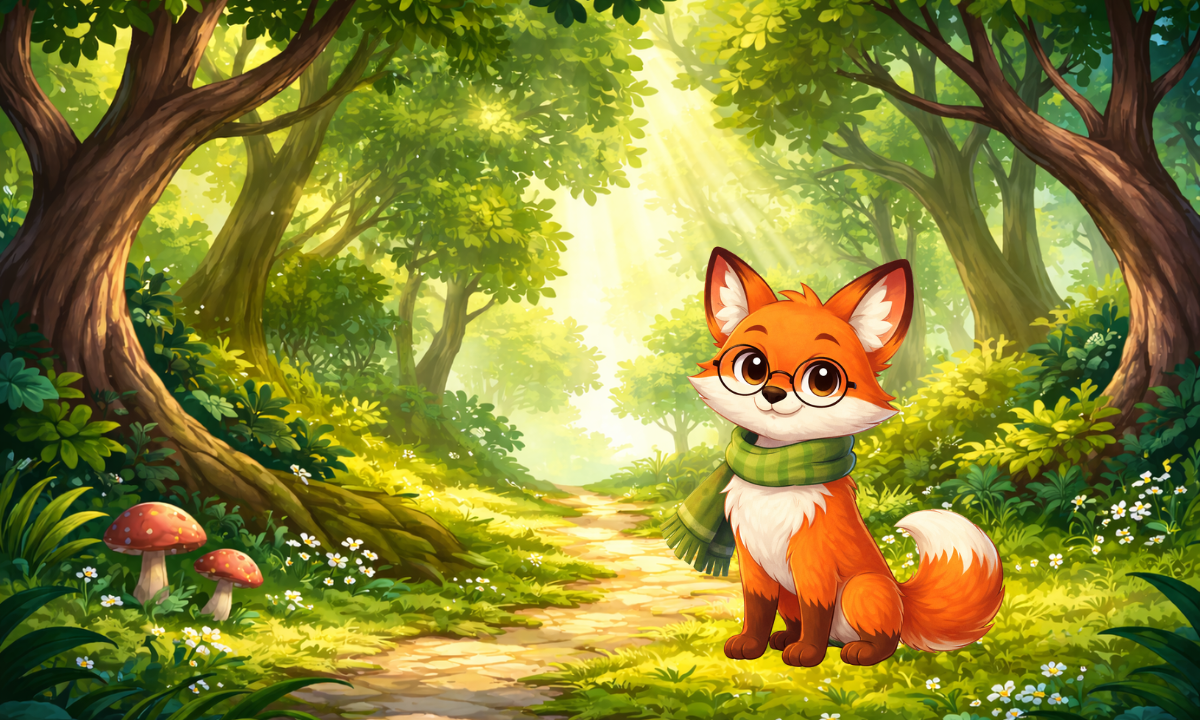
Children don’t learn only with their minds – they learn with their hearts.
When emotions and imagination are involved, learning becomes alive and stays in memory for the long term. This is where the power of stories lies: they create images, feelings, and connections that motivate and inspire children.


