
What does research say?
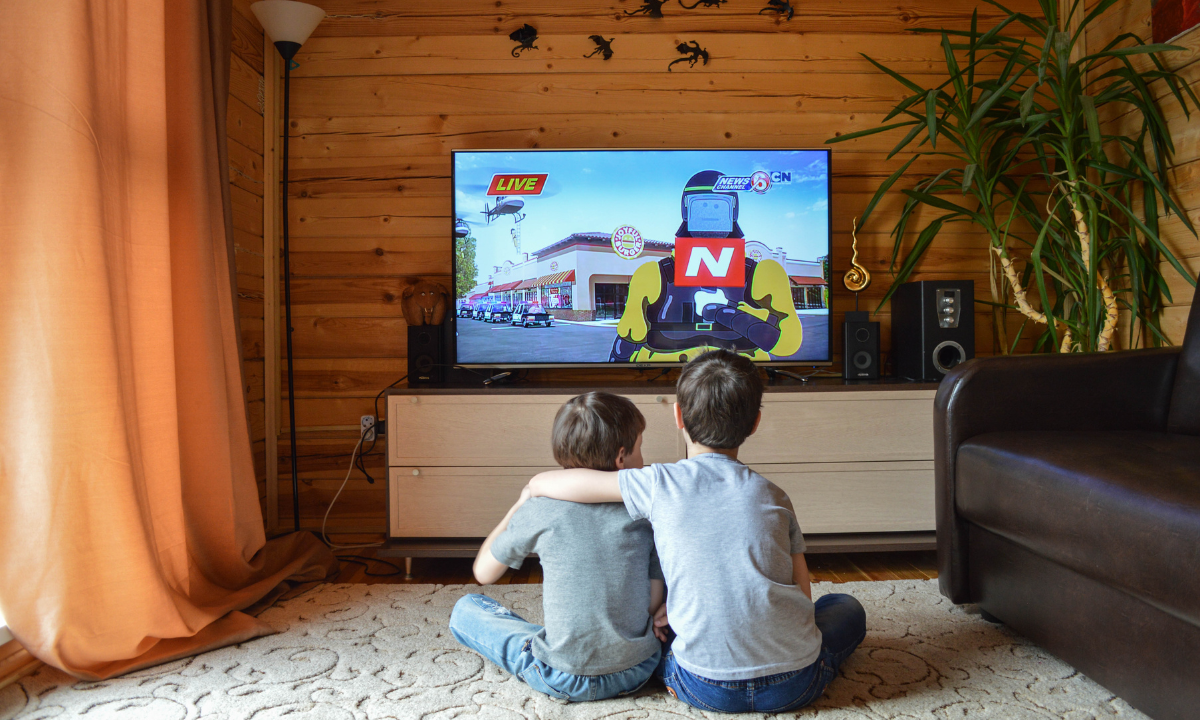
Studies by the National Institutes of Health (NIH) show that children who spend more than two hours a day on screens performed worse on certain language, thinking, and attention tests than children with lower media use.
Other studies – including research published in JAMA Pediatrics – have found associations between intensive screen use and changes in the brain’s white matter. White matter is crucial for communication between different brain regions and plays a central role in learning, concentration, and visual processing.
Important to note:
Science speaks here of correlations, not simple cause-and-effect proof. Screen time alone does not “damage” the brain – but too much of it can displace other important experiences.
Why is this especially important for children?
- The child’s brain develops through active experience:
- movement
- real social interaction
- problem-solving
- visual perception
- independent thinking
When screens take up too much space, there is often less room for these processes. This is exactly why pediatricians and developmental psychologists recommend moderation, mindful content selection, and screen-free times.
What can you offer your child instead?
Not “no screens” – but a healthy counterbalance:
- logic and thinking games
- tasks that challenge concentration
- training visual perception
- activities that promote calm and focus
And this is where a classic comes into play – rediscovered:
Why Sudoku is more than just a game
Sudoku is not a pastime in the traditional sense. It is a highly effective form of brain training that:
- strengthens concentration
- trains visual attention
- promotes logical thinking
- supports executive functions
- works completely screen-free
Especially for children (and adults) with ADHD tendencies or visual challenges, Sudoku can be a valuable, calming form of practice.
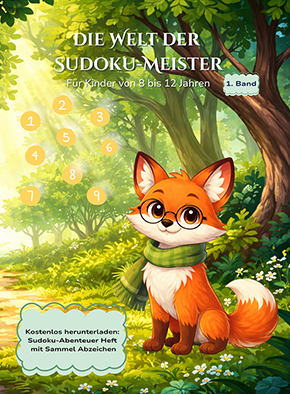
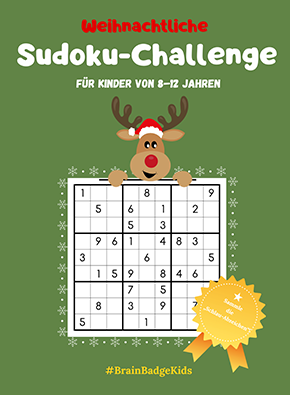
The World of Sudoku Masters – at Norah Books
At Norah Books, you will find the series “The World of Sudoku Masters” – thoughtfully designed Sudoku books that aim to do more than just entertain.
They invite focus, mindfulness, and genuine thinking – completely without screens.
Ideal for:
- school holidays
- quiet afternoons
- concentration training
- shared offline moments
My personal thought at the end:
Children do not need perfect digital abstinence – they need real experiences, real connection, and tasks that allow their brains to grow. Sometimes this begins with something as simple as a pen, a sheet of paper – and a Sudoku.
As a screen-free complement to supporting attention, you can find suitable Sudoku books at Norah Books.
English editions coming soon
Some of the book covers you see are currently shown in their German edition.
The English versions are already in progress and will be released soon.
Sign up for the newsletter to be the first to know when the English editions become available and to receive gentle updates about new books and projects.
More articles from the series “Attention & Child Development”:
2. ADHD in children – what does science say about attention and the brain?
The studies mentioned are intended for context and show correlations – they do not replace an individual view of each child.
Scientific sources (selection):
National Institutes of Health (NIH)
JAMA Pediatrics
NIH – ABCD Study (Adolescent Brain Cognitive Development Study)
Title image: Canva


